
10 unmissable stops on your Adelaide to Melbourne road trip
Explore the best of South Australia, Victoria and beyond.
Embarking on an Adelaide to Melbourne road trip offers a plethora of picturesque landscapes and exciting adventures. Whether you're seeking the quickest path, the most scenic route, or a journey through charming towns and natural wonders, there's a perfect road trip for everyone. It is about 730 kilometres between the two cities, roughly 8 to 9 hours of driving if you take the inland route straight through, or anywhere from three days to a week if you travel the way this drive deserves.
No matter which route you choose, we've curated a list of ten unmissable stops for the ultimate road trip itinerary. Collect your motorhome in Adelaide, and join us to create your own Star Story.
How far is Adelaide to Melbourne, and how long does the drive take?
The direct drive from Adelaide to Melbourne is about 730 kilometres and takes roughly 8 to 9 hours behind the wheel on the inland route. Almost nobody does it that way. There are three main routes between the two cities, and the one you choose sets everything else about the trip: how many days you need, which coastline or river you follow, and which of the stops below you get to see.
| Route | Distance and driving time | Days to allow | Best for |
|---|---|---|---|
| Inland | About 730km, 8 to 9 hours direct | 1 to 3 days | The fastest way across. Wheat country, the Grampians and Mount Gambier within easy reach. |
| Coastal, via the Great Ocean Road | Considerably longer, and slower than the map suggests | 4 to 5 days | The Twelve Apostles, the Shipwreck Coast and the Otways. Australia's most famous drive. |
| Murray River | The longest of the three, following the river | 5 to 7 days | River towns, wetlands and significant Aboriginal sites, well away from the crowds. |
The best places to stop on your Adelaide to Melbourne road trip:
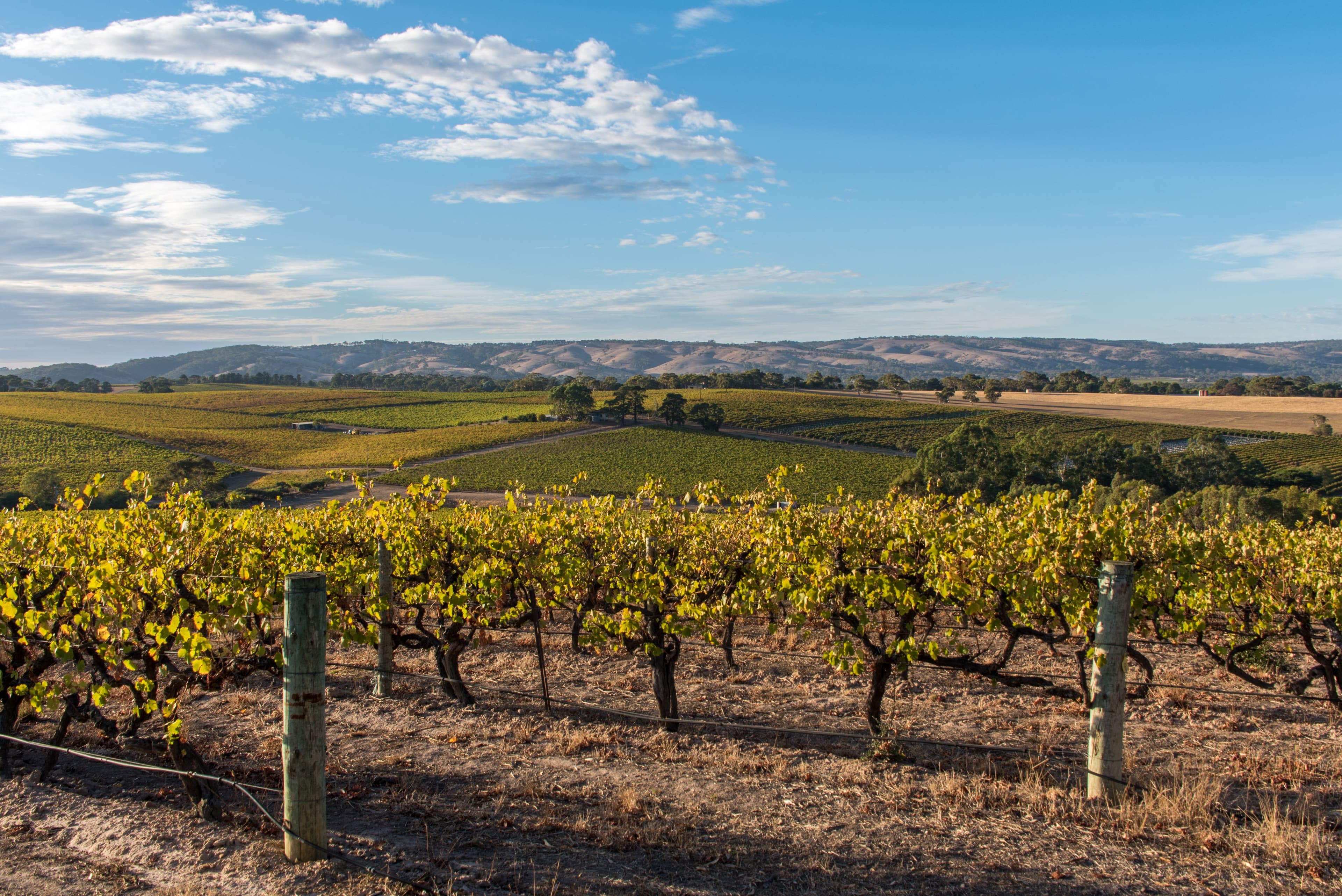
1. McLaren Vale wine region
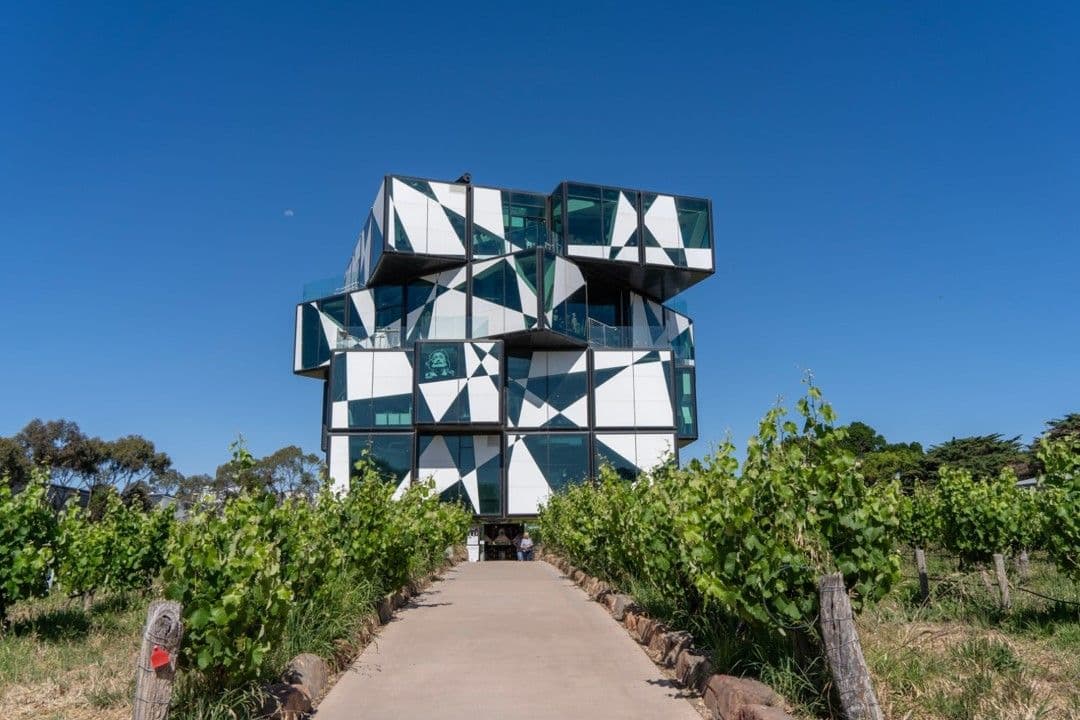
The McLaren Vale wine region is a treat for the senses. Known for its world-class wineries and vineyards, you'll want to nominate a designated driver before deciding which of the 80 vineyards you'll visit first. Savour delightful wine tastings and exquisite food to match, while enjoying the atmosphere of quirky cellar doors and picturesque landscapes.
There are also self-led or guided tours - Take a leisurely tour of the wineries by foot, bicycle or tour bus, sample the local produce and make the most of McLaren Vale before returning to your motorhome to spend the night in the serene countryside.
Key highlights of McLaren Vale:
- World-class wineries and vineyards
- Wine tastings and gourmet dining
- Walk or cycle the Shiraz Trail
2. Victor Harbor on the Fleurieu Peninsula
Victor Harbor, located on the Fleurieu Peninsula, is a charming seaside town with plenty to offer. Take a ride on the historic horse-drawn tram to Granite Island, explore the scenic coastline, and visit the South Australian Whale Centre.
Families and animal lovers will want to visit Softfoot Farm, where you can feed friendly alpacas or take a nocturnal safari to spot woylies, wallabies, bandicoots and more.
If you have an afternoon to spend here, play a round of golf at McCracken Country Club, or board the famous Cockle Train for a leisurely tour of Victor Harbor’s coastline.
The town's relaxed atmosphere and natural beauty make it a delightful stop on your South Australia road trip.
Highlights of Victor Harbor:
- Historic horse-drawn tram to Granite Island
- The South Australian Whale Centre
- The historic Cockle train
3. Kangaroo Island (side trip)
Kangaroo Island, accessible via a short ferry ride, is one of the best places to see Australia's unique wildlife including koalas, kangaroos, sea lions and penguins.
The island's northern coastline boasts unbelievable beaches to break up your road trip driving - make your way through a small trail of caves from the Stokes Bay carpark, and you'll walk out onto the shimmering sands of 'Australia's Best Beach 2023'.
The food here is just as unique as the wildlife and the landscape. A focus on local produce and a connection to the land and sea create inimitable dining experiences. From living dining rooms under enormous fig trees, to lavender fields and Ligurian-bee honey, every meal here is imbued with character.
The huge variety of things to do on Kangaroo Island make it one of the best stops for nature lovers and adventurers.
Highlights of Kangaroo Island:
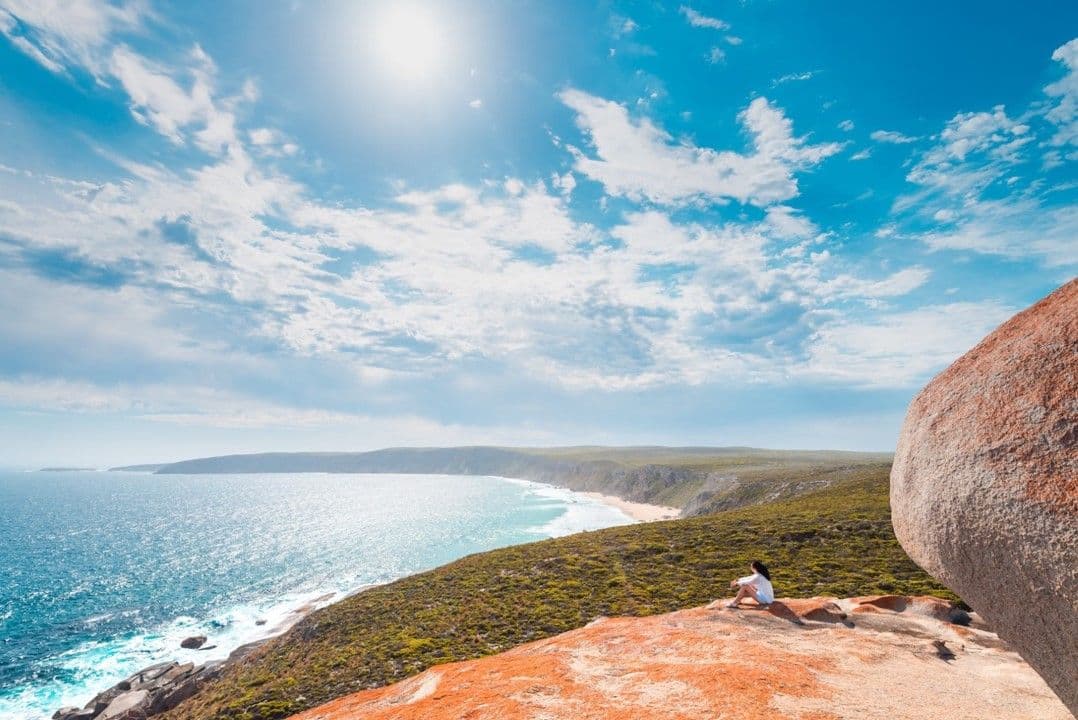
- Geological phenomenon including the Remarkable Rocks, Admirals Arch
- Unique wildlife, including sea lions and koalas
- Character-filled dining experiences including Gastronomo the Enchanted Fig Tree.
4. The Riverland and the River Murray (side trip, or the start of the Murray River route)
Long before the stars come out, the Riverland is worth the detour in its own right. Golden cliffs rise straight out of the water, houseboats drift past on the current, and the wetlands along the banks are full of pelicans, kangaroos and birdlife. Take a guided walk at the Ngaut Ngaut Aboriginal Archaeological Site to see rock engravings tens of thousands of years old, explained by the Traditional custodians who look after them. Then stay on for the reason the reserve has its name.
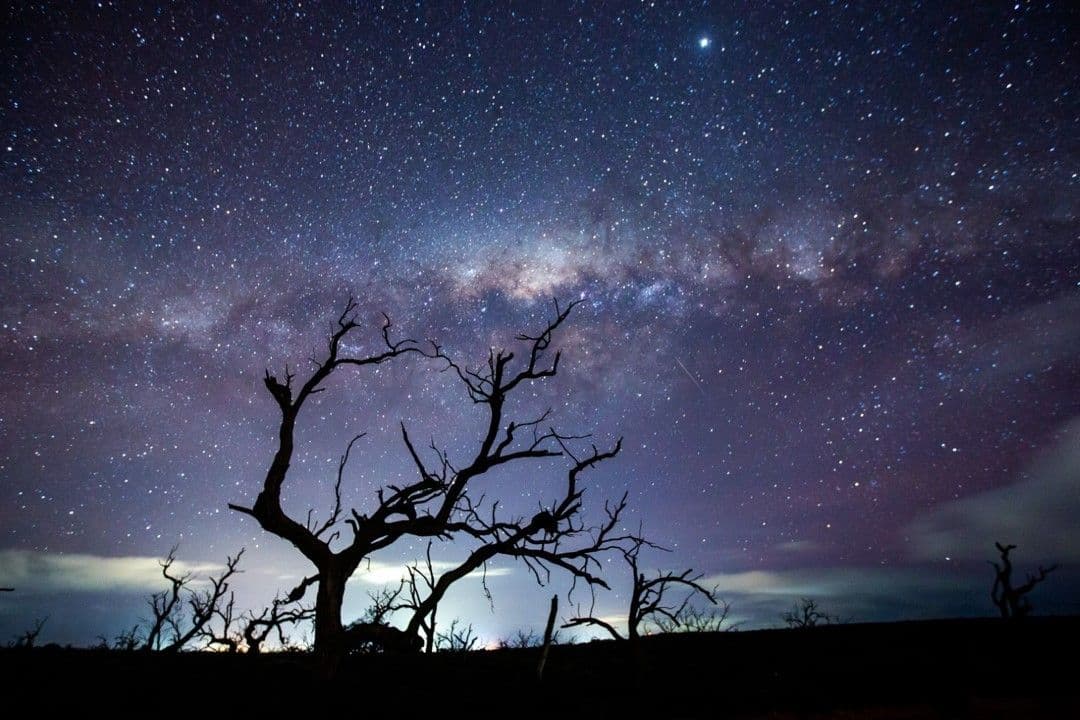
The River Murray International Dark Sky Reserve is a stargazer’s paradise, offering some of the clearest night skies in the Southern Hemisphere. Located along the Murray River, the reserve’s minimal light pollution ensures an unparalleled stargazing experience.
This reserve is the ultimate road trip stop for those who appreciate the wonders of the cosmos. Settle in at the campsite and spend the evening marvelling at the Milky Way, distant galaxies, and countless constellations from the doorstep of your motorhome.
Key highlights of the River Murray
- International Dark Sky Reserve:
- Some of the clearest night skies and lowest light pollution in the Southern Hemisphere
- Tours guided by astronomers and Aboriginal custodians
- Ngaut Ngaut Aboriginal Archaeological Cultural site
- River cliffs, wetlands and houseboat country along the Murray
- Ngaut Ngaut Aboriginal Archaeological Site, guided by Traditional custodians
5. The Naracoorte Caves
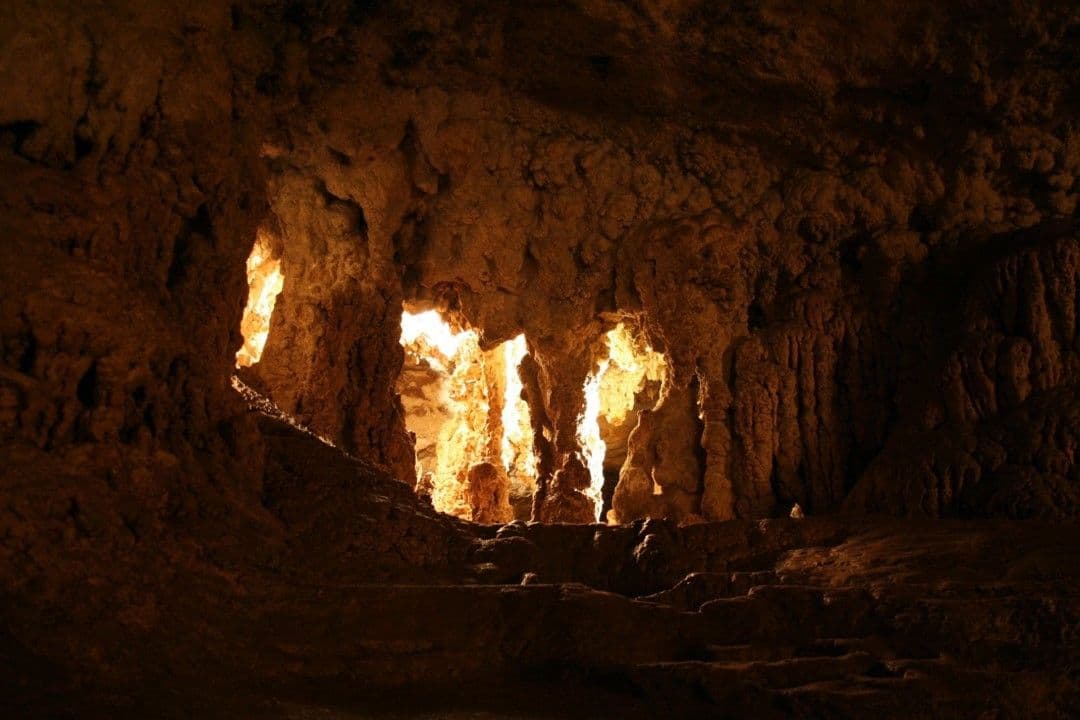
The Naracoorte Caves, a UNESCO World Heritage site, are a must-visit for history and nature enthusiasts. These limestone caves are renowned for their incredible fossils of giant marsupials such as the wombat-like Diprotodon, Thylacoleo the marsupial lion, and giant kangaroos, which roamed the Limestone Coast for over 500,000 years.
You'll find a variety of ways to explore this fascinating part of South Australia, with five different caves, adventure caving, Bat Observation Centre, photographic tours, and an above-ground accessible loop-walk.
Once you've finished stepping back in time, you can refuel at the cafe before continuing your Adelaide road trip. Naracoorte Caves also offers an adventure playground and campground, making it an excellent stop for families.
Highlights of the Naracoorte Caves
- UNESCO World Heritage limestone caves
- Extensive fossil deposits and geological formations
- Bat Observation Centre
-
6. The Umpherston Sinkhole and Blue Lake in Mt Gambier
Mt Gambier is home to two remarkable natural wonders, and a must-do on your Adelaide to Melbourne road trip itinerary.
The Umpherston Sinkhole
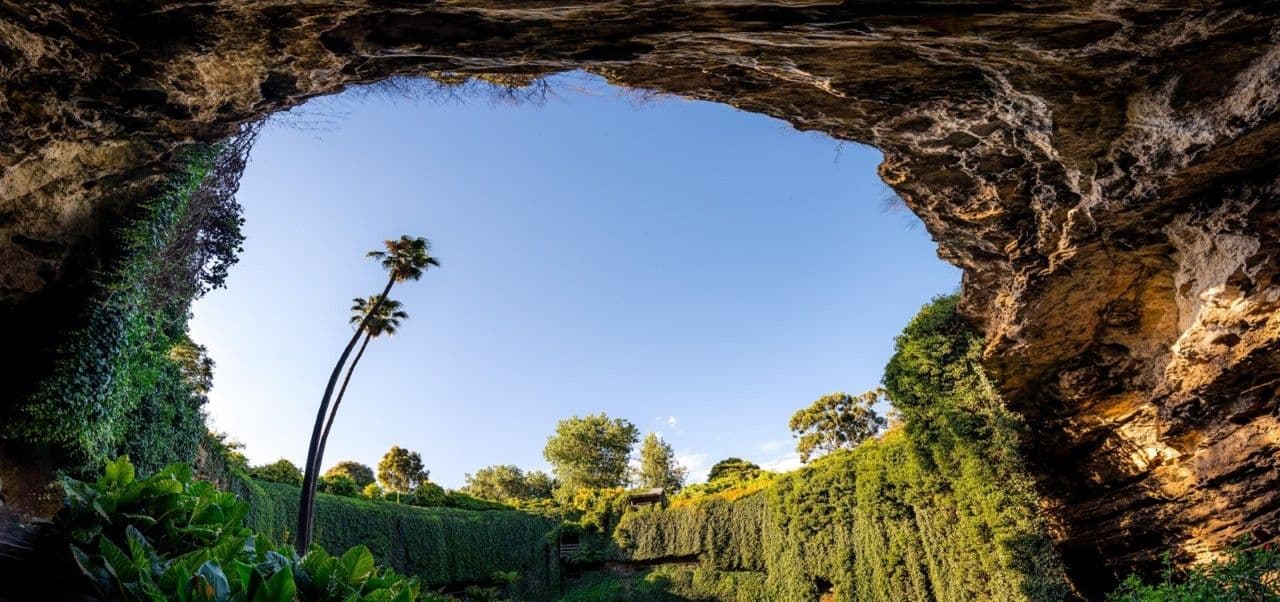
The Umpherston Sinkhole, also known as the Sunken Garden, is a lush, green oasis within a collapsed limestone cave. Viewing platforms give you an overview of the garden, but you won't truly appreciate the size of the sinkhole until you descend the vine-covered stairs to stroll through the beautifully maintained gardens and marvel at the unique geological formations. You might even see cheeky local possums visiting to gorge themselves on the garden's fruit!
Visit the on-site kiosk for coffees and ice creams if you need a pick-me-up, or make use of the large sheltered seating area and BBQ.
The Blue Lake
Nearby, the Blue Lake or Warwar fills a vast volcanic crater. The vibrant hue changes with the seasons, transforming from dark blue to intense turquoise between November and February. There's a 3.6 kilometre road and walking track around the lake's edge, providing a stunning backdrop for a leisurely walk and fantastic photo opportunities.
Highlights of Mt Gambier:
- Lush gardens and unique geological formations at the Umpherston Sinkhole
- Seasonal colour changes of the Blue Lake
- Scenic walks and photography spots
7. Warrnambool
Warrnambool, a coastal city on the Shipwreck Coast, is known for its maritime history and natural beauty.
Visit the Flagstaff Hill Maritime Village to learn about the region's seafaring past, explore the beautiful beaches, and, if you're visiting between June and September, keep an eye out for southern right whales during their migration.
Highlights of visiting Warrnambool:
- Flagstaff Hill Maritime Village
- Beautiful beaches and coastal views
- Whale watching (June to September)
8. Shipwreck Coast and the Twelve Apostles
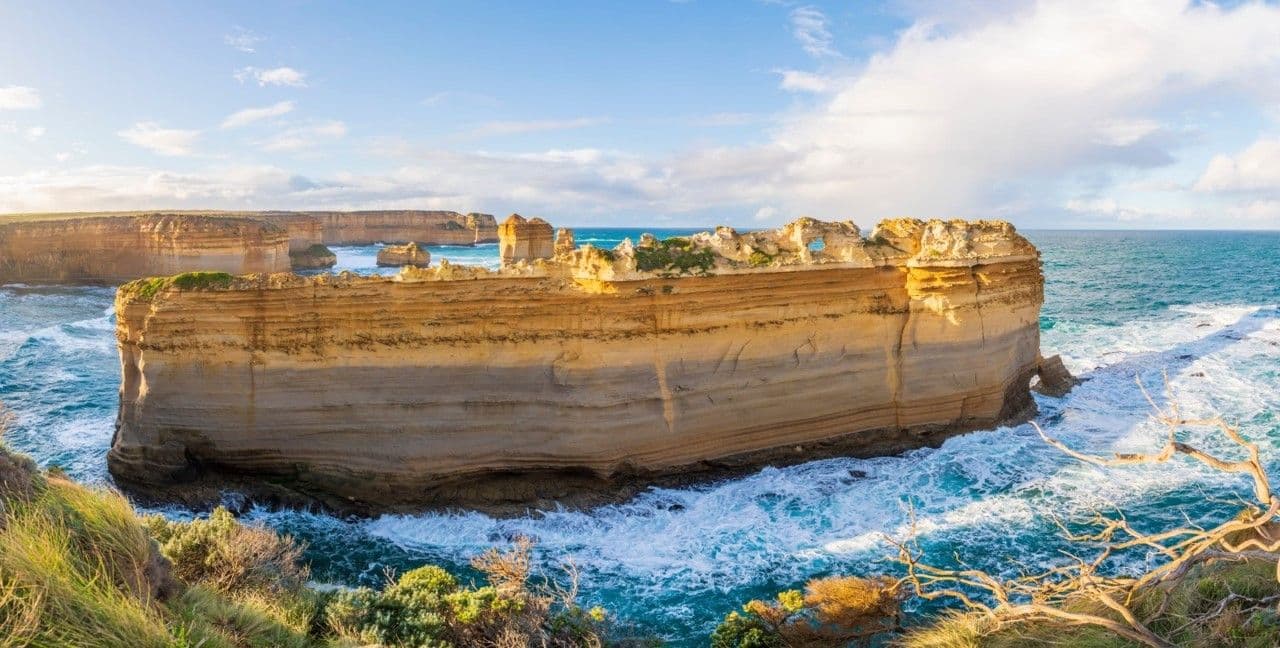
Shipwreck Coast, part of the iconic Great Ocean Road, is famous for its windswept cliffs and dramatic coastline. The Twelve Apostles, towering limestone stacks rising from the ocean, are a highlight of this stretch. Capture the breathtaking views, learn about the maritime history, and soak in the natural beauty of the Great Ocean Road.
Highlights along the Shipwreck Coast and Twelve Apostles:
- Maritime history and walking trails along the awe inspiring coastline
- Iconic Twelve Apostles rock formations
- Loch Ard Gorge and the London Bridge rock formation
Ready to plan your own journey? Book Your Adelaide motorhome today.
9. Cape Otway & Great Otway National Park
Cape Otway and the surrounding Great Otway National Park are on every Adelaide to Melbourne road trip itinerary for a reason.
Mountains rise from tall forests, waterfalls and glow worms shine amidst the ferns, and secluded beaches hold rockpools teeming with life. Visit the historic Cape Otway Lighthouse, hike the many walking trails, and spot koalas in their natural habitat. The park's diverse landscapes provide endless opportunities for exploration and adventure.
Highlights of Cape Otway & Great Otway National Park:
- The historic Cape Otway Lighthouse
- Treetop walks & ziplining
- Wildlife spotting in ancient forests

10. The Grampians National Park (inland route, or a detour from Warrnambool)
Depending on your Adelaide road trip itinerary, Grampians National Park could be a short stop, or a few days of outdoor adventures. With everything from hand-feeding kangaroos to hikes and horse riding available, it's one of the best stops for nature lovers road tripping to Melbourne.
This hiker's paradise offers stunning mountain ranges, waterfalls, and ancient Aboriginal rock art. Enjoy panoramic views from the park's numerous lookouts, trek through scenic trails, and immerse yourself in the deep cultural heritage of Gariwerd, the Traditional name for the Grampians and one of the most significant Aboriginal rock art sites in Victoria.
Highlights to explore in Grampians National Park:
- Stunning mountain ranges and waterfalls
- Aboriginal rock art and Brambuk Aboriginal Cultural Centre
- Scenic trails and panoramic lookouts including the Reed Lookout &The Balconies
Where to stay between Adelaide and Melbourne
The best places to stay between Adelaide and Melbourne depend on the route you take, and the beauty of a motorhome is that you can decide as you go. These are the towns most travellers break the journey in, and each one has holiday parks with powered sites, proper amenities and enough to fill an evening.
Overnight stops on the inland route
- Nhill and Horsham, either side of the midpoint, both practical and easy to reach after a comfortable day's drive
- Halls Gap, in the heart of the Grampians, worth a full day either side rather than a single night
- Mount Gambier, close to halfway if you are cutting across to the coast
Overnight stops on the coastal route
- Robe, a Limestone Coast fishing town that most people wish they had given another night
- Mount Gambier, for the Blue Lake and the Umpherston Sinkhole before you cross into Victoria
- Port Campbell, which puts you minutes from the Twelve Apostles for sunrise, long before the tour buses
- Apollo Bay, between the Otways and the ocean, and the natural last stop before Melbourne
A motorhome makes this part of the trip simple: your bed, your kitchen and your bathroom come with you, so an overnight stop is a decision you can make at four in the afternoon rather than four weeks out. The 6-berth Polaris gives a family room to spread out across a week on the road.
How many days do you need for the Adelaide to Melbourne road trip?
You can drive from Adelaide to Melbourne in a single long day, but three to seven days is where this trip comes alive. Here is what each length of trip realistically gets you.
Three days: the inland route with two good stops
- Day 1: Adelaide to Mount Gambier, with McLaren Vale and the Coorong on the way
- Day 2: Mount Gambier to Halls Gap, with the Naracoorte Caves in the morning
- Day 3: the Grampians into Melbourne
Five days: the Great Ocean Road properly
- Day 1: Adelaide to Robe, along the Fleurieu Peninsula and the Coorong
- Day 2: Robe to Mount Gambier, for the Blue Lake and the Umpherston Sinkhole
- Day 3: Mount Gambier to Port Campbell, joining the Shipwreck Coast at Warrnambool
- Day 4: the Twelve Apostles at sunrise, then the Otways to Apollo Bay
- Day 5: Apollo Bay to Melbourne, the best stretch of the Great Ocean Road last
Seven days: the coast and the Grampians
- The five-day route above, with an extra night on Kangaroo Island at the start
- And a night in Halls Gap on the way through, detouring inland from Warrnambool
Driving the Great Ocean Road from Adelaide to Melbourne
Taking the Great Ocean Road from Adelaide to Melbourne means driving it west to east, which most travellers agree is the better direction: the ocean is on your side of the road, and the drive saves its best stretch, the run from Apollo Bay through the Otways to Lorne, for the final day. From Adelaide you follow the Limestone Coast south-east through Robe and Mount Gambier, cross into Victoria, and pick up the Great Ocean Road at Warrnambool. From there it is the Bay of Islands, London Bridge, Loch Ard Gorge and the Twelve Apostles, then inland briefly through the Otways before the road returns to the cliff edge for the last two hours into Melbourne. Allow four to five days. The road is slower than the distance suggests, and the stops are the reason you came.
What the coastal route adds
- The Twelve Apostles, Loch Ard Gorge and London Bridge on the Shipwreck Coast
- Koalas and waterfalls in the Great Otway National Park, and the Cape Otway Lighthouse
- Southern right whales off Warrnambool between June and September
- The cliff-edge run from Apollo Bay to Lorne, saved for last
Planning the same coastline as a return trip out of Melbourne instead? See the best Melbourne road trips.
Feeling inspired?
Whether you choose the inland, coastal, or Murray River route, each journey offers its own unique experiences and unforgettable moments. From the stunning natural wonders of the Umpherston Sinkhole and Blue Lake to the cultural richness of the Naracoorte Caves and the Grampians National Park, your Adelaide to Melbourne road trip will be filled with remarkable destinations.
Book your Australian motorhome hire, pack your bags, and join us on a journey of discovery and adventure. Something special awaits.